
As addressed in my bio, I am a child development major taking on a semester of Italian cuisine and culture and I’m very interested in seeing where this adventure takes us. Being a child development major, you learn a lot about not only how children develop and grow, but also different education models that are used to teach and help children develop and grow. One of those models is known as the Montessori model. So, for this week’s entry I thought it would be interesting to dive into this model and the way they approach food and the culture within this classroom set up.
Before we dive into the food and culture of a Montessori classroom, I want to provide y’all with some background on who created this model and how it’s related to Italian culture. The picture below is of Maria Montessori. She was born in 1870 and was the first woman in Italy to become a physician and was a pioneer in early childhood education. She created the Montessori Model in 1907, and her 1st school with this model was called Casa dei Bambini, meaning Children’s House, located in a housing project in the slums of Rome and served children ages 4 to 7. She is the reason that we have this wonderful model that can be used with all children regardless of ability or age.

Her model focuses on children learning at their own pace and for them to learn responsibility and foster strong, positive feelings about oneself and others. The Montessori model places a strong focus on using real materials with the children in the classroom (i.e. real glass cups, and china plates), as well as including nature into the classroom by using lots of wooden toys and natural materials.
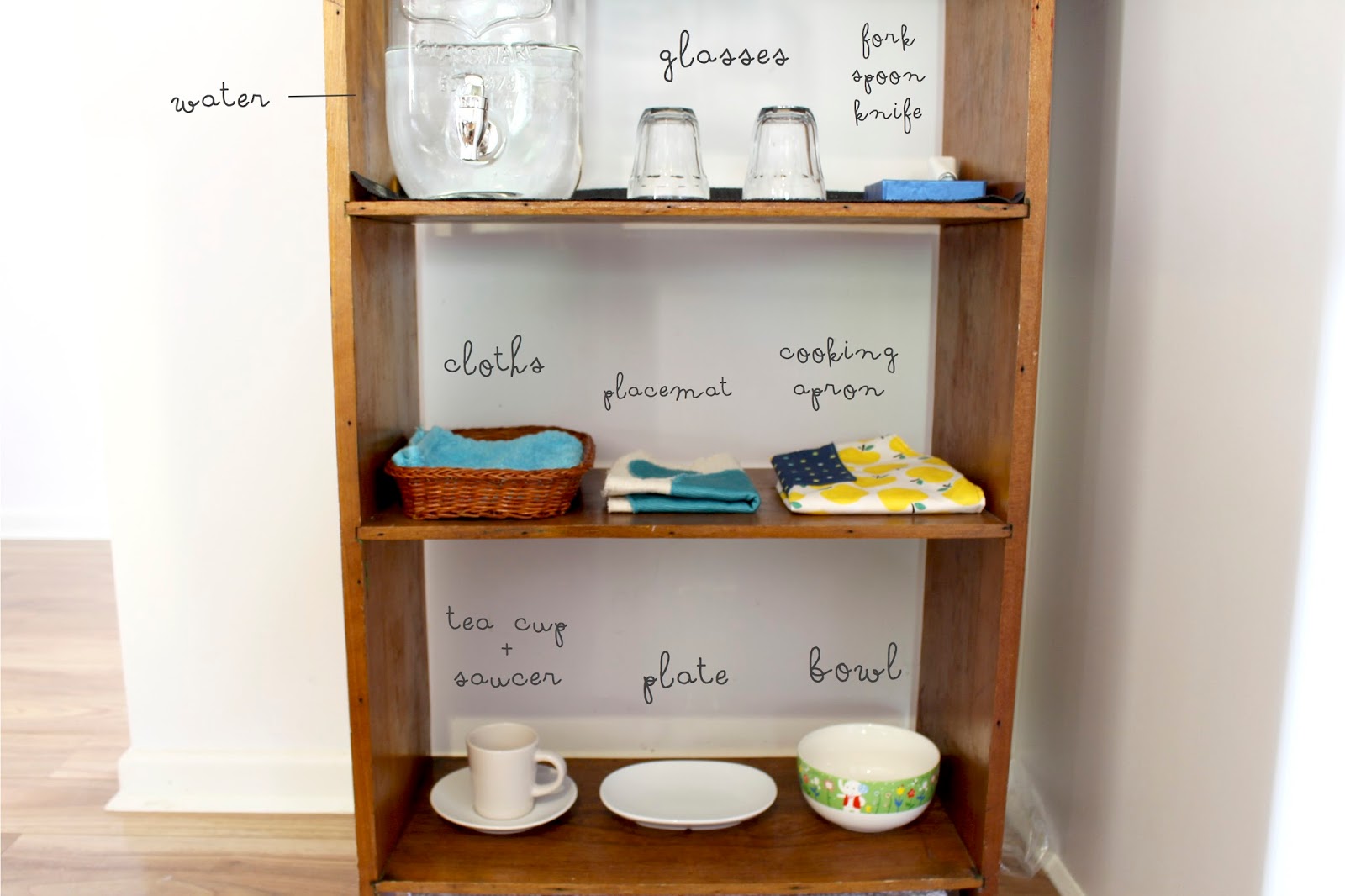
“The plates are always of china, and the tumblers and water bottles of glass.
Knives are always included in the table equipment.”
—Maria Montessori, Dr. Montessori’s Own Handbook
The idea of them using real materials, such as the glass cups and china plates, is what really inspired me to look more into what food preparation and snack time could look like in a Montessori program. In many cases parents and adults in general would shy away from giving their 5 year old a knife to cut up food, but in a Montessori program the children are introduced to these materials through what they refer to as the “practical life” section of the classroom, and through snack time. The children in these programs build on these skills each and every day at their own pace. In these classrooms you may see things such as food prep activities with knives and other utensils, juicing, stirring and mixing, cutting and slicing, baking, and simply setting the table and serving the food.
Like with most things, there’s a “process” to what may seem like chaos from an outsider looking in. These children are taught these different skills throughout the program. Starting as early as in the infant-toddler classrooms (ages 0-3 years). These young children are learning to set the tables, clean up after themselves, and do some basic cooking skills.
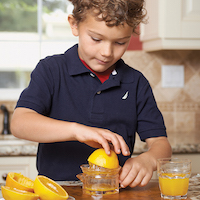
The last classroom I looked at is known as “Casa dei Bambini” which in this case means children ages 3 to 6 years. Cooking and food prep for this age group may look like slicing apples, squeezing an orange, grating cheese, or so many other things that help them work on coordination and concentration.
In a Montessori classroom there is no scheduled “snack time.” Instead, children in many Montessori classrooms help themselves to snack when they are hungry. Usually snack includes a fruit or vegetable, a protein such as cheese, nuts, or hummus, and maybe a carbohydrate such as crackers, tortillas, or bread. Children serve themselves buffet-style and then sit at a designated snack table to enjoy the food. In some schools, older children get the snack ready. These sous chefs slice fruits and vegetables, dish up yogurt, and plate crackers. Special snacks might also be prepared as a group lesson for a celebration or to sample traditional foods of another country.
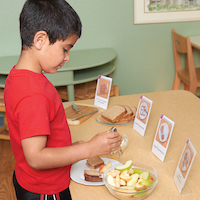
Children can prepare their own snacks from start to finish using the skills they have developed from this model, as well as, using “snack cards” which are 4-step photo instructions that are clear and easy that even the youngest children can follow them.
Though, this was just a quick over view of this model and the food side of things, it was able to show a unique take on how a Montessori program goes about snack time. Preparing and serving snacks (and even meals) is a natural way for children to learn cooperation and experience community, which are two important things for children to learn and experience to help them develop and grow. When children begin to internalize the foundations of Practical Life, they seek ways to use their skills and assume broader responsibilities. Preliminary activities that isolate single skills demonstrate children’s amazing ability to handle kitchen tools. So, next time you’re cooking with little kids present, try and get them involved instead of searing away from the idea. I promise it will serve such a meaningful and educational experience for not only the child but you as well. Plus, you’ll be bound to make many fun memories doing so!
 Meghan's Italian Cuisine Experience