Reggio Meets Cuisine and Culture

As you all probably know by know if you’ve read any some of my previous posts, I’m a child development major taking on a semester of Italian cuisine and culture. One of my previous posts looked at the way the Montessori education model did snack time, so I was thinking why not look at other Italian education models and how they do snack time as well. So, for this weeks entry I figured I would dive into the Reggio Emilia education model and how they go about food.

Before we dive into the food aspect of Reggio, I want to give some background on what this model is all about. The picture below is of Loris Malaguzzi. He created this model after World War II with the help form educators, parents, and teachers. This model is very family-centered meaning that both family involvement and engagement are a huge part in the day to day way of doing things at these types of schools. Similar to Montessori (see previous post: Montessori Meets Cuisine and Culture), both of these models were created in Italy and believe in hands-on experiences where the children decide on the activities they partake in and the teacher acts more so as a guide in the classroom.
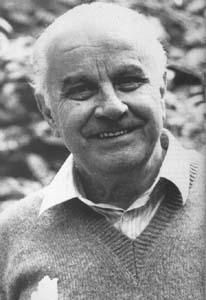
Loris Malaguzzi

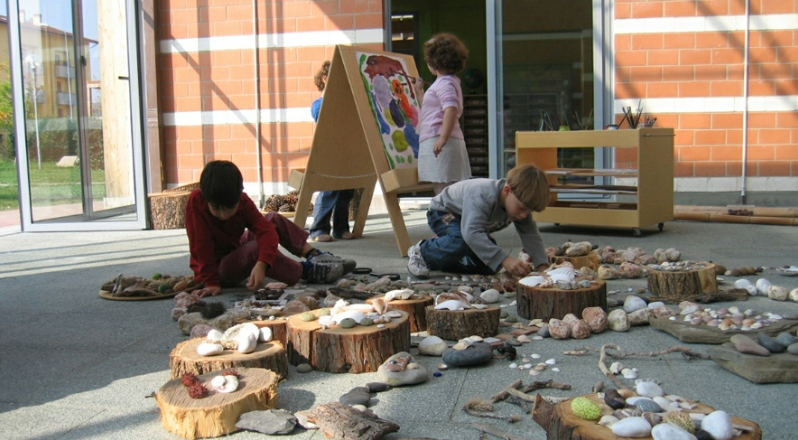
Some of the distinguishing factors about Reggio inspired schools are that natural light and nature materials are a huge part of their exploration.
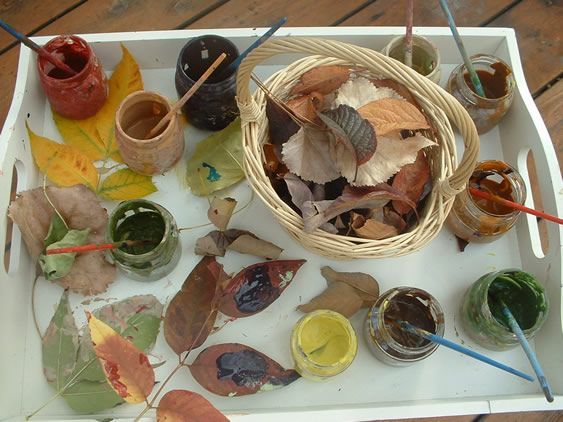
If you’re interested in learning more about the Reggio Approach- here is a short overview of the whole approach:
https://youtu.be/cvwpLarbUD8

Now into the main part of this entry- the food! Going into this I did not know much about the food aspect of Reggio, compared to the Montessori post where I knew a lot more coming into it. What I learned from several “personal experience” like articles is that the kitchen consists of one cook and two assistance. Kitchens in Reggio schools are welcoming, being visible from the entrance, and are purposely placed in a central location to act as a link between each room in the Centres. Their kitchens have as much thought put into them as the incredibly detailed and well equipped art and project ateliers also found in each Centre. Kitchens are thought of as “a place of chemistry”, not just a place where food is prepared. They are bright and clean and have large windows to bring visibility to the cook’s contribution and care of the children and adults through their daily preparation of meals and snacks.
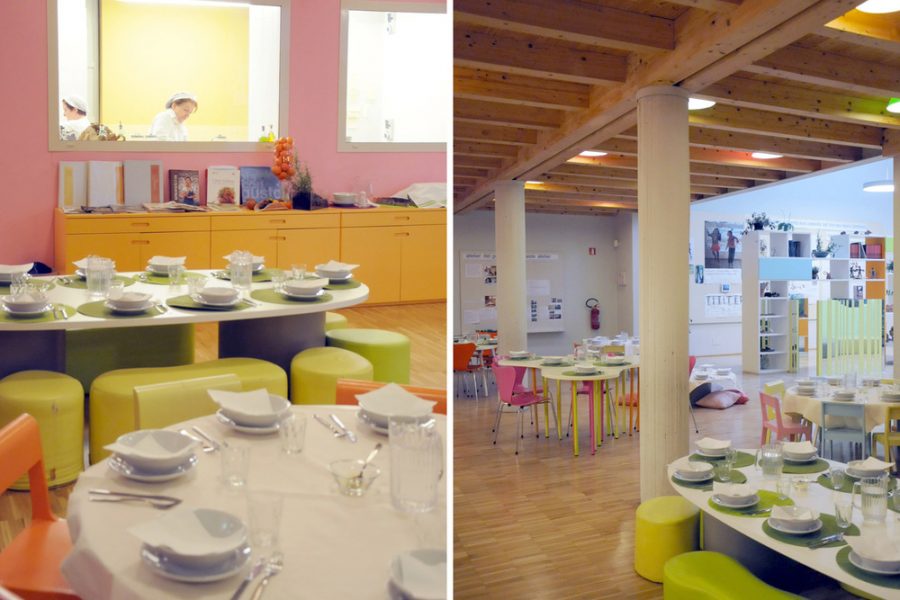
This is an example of what the kitchen/ meal area in a Reggio school might look like

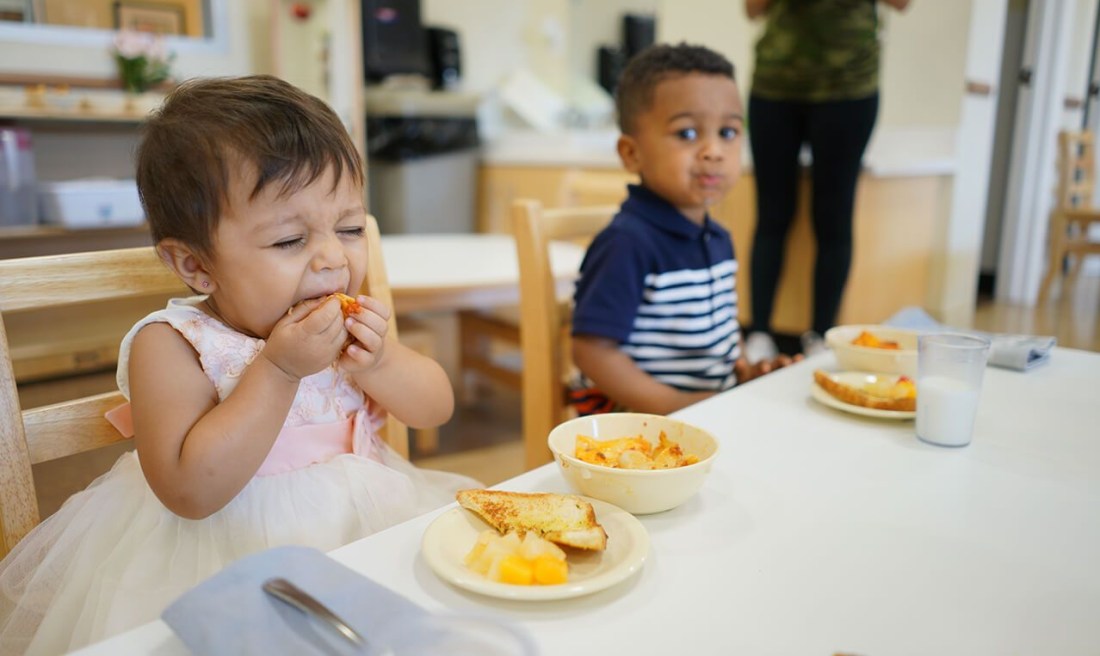
As in any home, the kitchen in Reggio is where the family gathers, and where children always feel welcome to enter and ask the Cook questions. It’s not uncommon for when the children ask questions such as “what’s for lunch?” to be taken into the kitchen to ask the chef themselves. The cook will speak to the children and pointed to each dish they are preparing. The children were able to look, touch, smell and even help prepare the food. Meal times in Reggio are held in high regard. The children and educators all eat together in one dining room. Food is very intentionally and thoughtfully presented in the most beautiful manner and brought to the table and served in family sized bowls. They believe that “it’s the experience of food, rather than the feeding of children.”

Great emphasis is placed on using organic and local produce. Many of the Centres grow their own produce in gardens the children tend and harvest. The Cook shared how they strive to offer as many flavors, such as sweet, salty, savory, bitter and sour, as possible at each meal to appeal to the children’s senses, as well as food with different textures, like soft and crunchy. The cooks in Reggio Emilia have experimented for many years to develop simple, yet highly digestible foods that children enjoy.
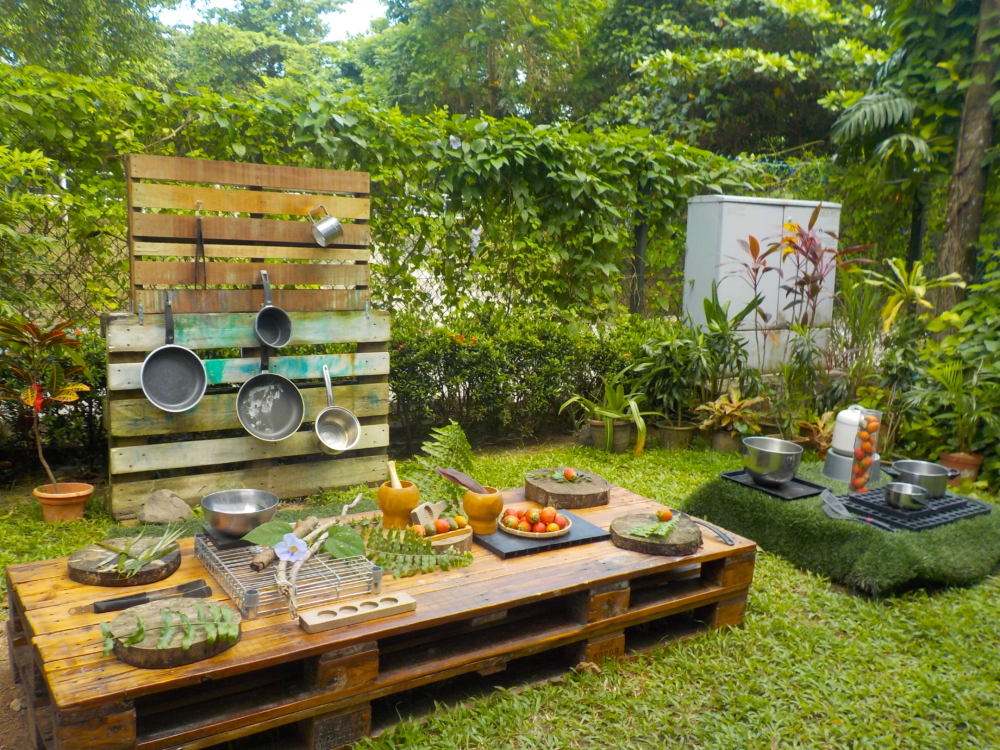
This is an example of the garden space they might have at a Reggio school.

Overall, the Reggio Emilia Approach to snack time and meals is very focused on the process rather than the product. They want to provide the children with healthy options that expand their knowledge and experiences, rather than just give them something to eat because that’s their job. I personally believe that this is a cool approach to meal time because it allows the children to learn and explore where their food comes from and different types of foods to eat.
Montessori Meets Cuisine and Culture

As addressed in my bio, I am a child development major taking on a semester of Italian cuisine and culture and I’m very interested in seeing where this adventure takes us. Being a child development major, you learn a lot about not only how children develop and grow, but also different education models that are used to teach and help children develop and grow. One of those models is known as the Montessori model. So, for this week’s entry I thought it would be interesting to dive into this model and the way they approach food and the culture within this classroom set up.

Before we dive into the food and culture of a Montessori classroom, I want to provide y’all with some background on who created this model and how it’s related to Italian culture. The picture below is of Maria Montessori. She was born in 1870 and was the first woman in Italy to become a physician and was a pioneer in early childhood education. She created the Montessori Model in 1907, and her 1st school with this model was called Casa dei Bambini, meaning Children’s House, located in a housing project in the slums of Rome and served children ages 4 to 7. She is the reason that we have this wonderful model that can be used with all children regardless of ability or age.

Maria Montessori

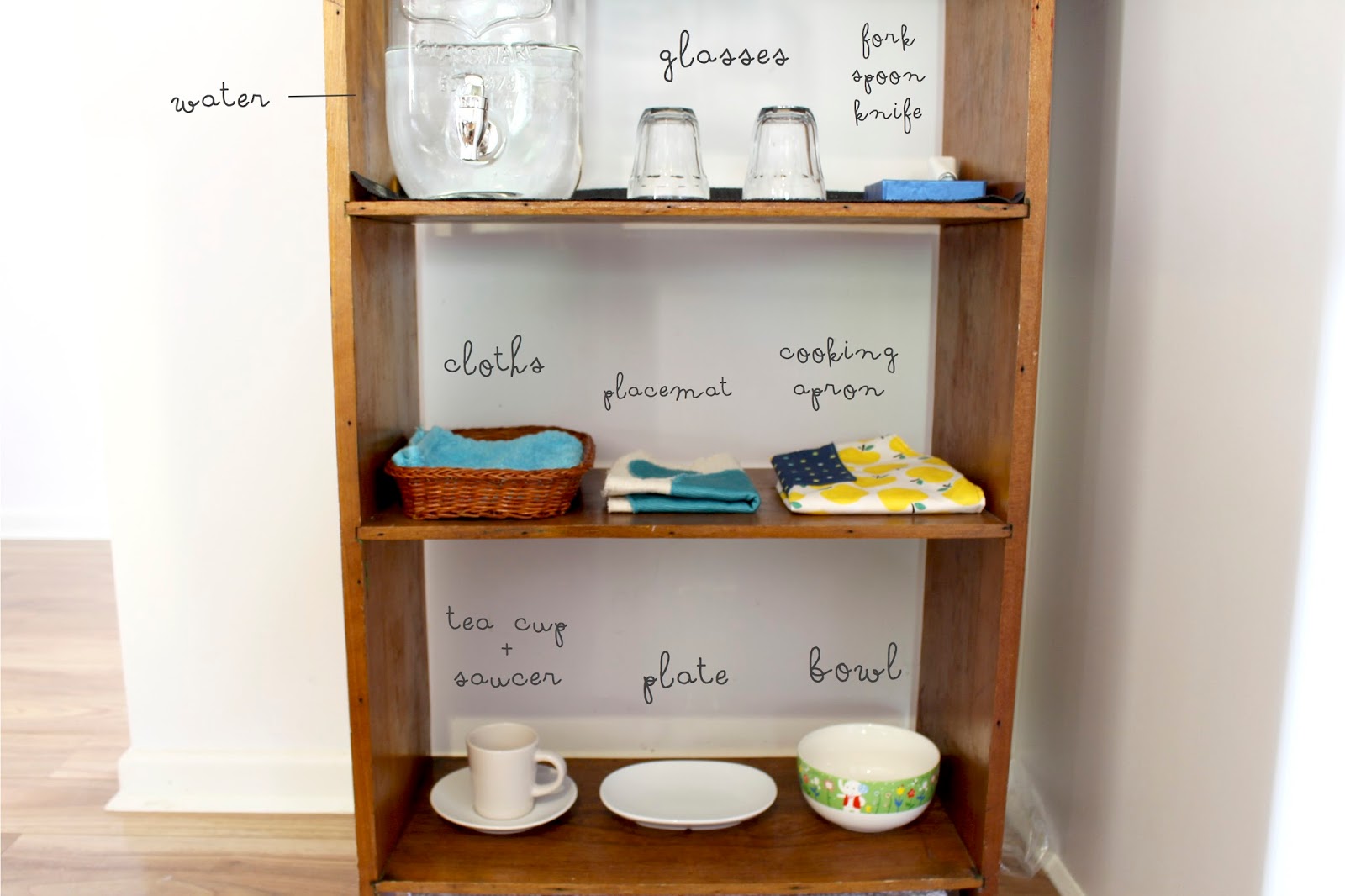
Her model focuses on children learning at their own pace and for them to learn responsibility and foster strong, positive feelings about oneself and others. The Montessori model places a strong focus on using real materials with the children in the classroom (i.e. real glass cups, and china plates), as well as including nature into the classroom by using lots of wooden toys and natural materials.


“The plates are always of china, and the tumblers and water bottles of glass. 
Knives are always included in the table equipment.”

—Maria Montessori, Dr. Montessori’s Own Handbook

The idea of them using real materials, such as the glass cups and china plates, is what really inspired me to look more into what food preparation and snack time could look like in a Montessori program. In many cases parents and adults in general would shy away from giving their 5 year old a knife to cut up food, but in a Montessori program the children are introduced to these materials through what they refer to as the “practical life” section of the classroom, and through snack time. The children in these programs build on these skills each and every day at their own pace. In these classrooms you may see things such as food prep activities with knives and other utensils, juicing, stirring and mixing, cutting and slicing, baking, and simply setting the table and serving the food.

Like with most things, there’s a “process” to what may seem like chaos from an outsider looking in. These children are taught these different skills throughout the program. Starting as early as in the infant-toddler classrooms (ages 0-3 years). These young children are learning to set the tables, clean up after themselves, and do some basic cooking skills.

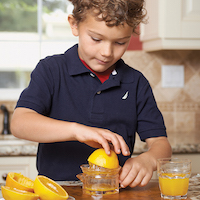
In this picture you see a young child from the infant-toddler room of a Montessori program making lemonade with a wedge of lemon and a lemon squeezer. They squeeze the lemon into a very small glass; add a small pitcher full of water and a tiny spoonful of sugar. Then they stir, and drink with great pleasure.

The last classroom I looked at is known as “Casa dei Bambini” which in this case means children ages 3 to 6 years. Cooking and food prep for this age group may look like slicing apples, squeezing an orange, grating cheese, or so many other things that help them work on coordination and concentration.

In a Montessori classroom there is no scheduled “snack time.” Instead, children in many Montessori classrooms help themselves to snack when they are hungry. Usually snack includes a fruit or vegetable, a protein such as cheese, nuts, or hummus, and maybe a carbohydrate such as crackers, tortillas, or bread. Children serve themselves buffet-style and then sit at a designated snack table to enjoy the food. In some schools, older children get the snack ready. These sous chefs slice fruits and vegetables, dish up yogurt, and plate crackers. Special snacks might also be prepared as a group lesson for a celebration or to sample traditional foods of another country.


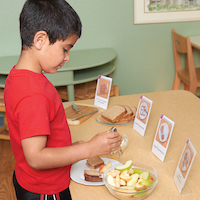
Children can prepare their own snacks from start to finish using the skills they have developed from this model, as well as, using “snack cards” which are 4-step photo instructions that are clear and easy that even the youngest children can follow them.

Though, this was just a quick over view of this model and the food side of things, it was able to show a unique take on how a Montessori program goes about snack time. Preparing and serving snacks (and even meals) is a natural way for children to learn cooperation and experience community, which are two important things for children to learn and experience to help them develop and grow. When children begin to internalize the foundations of Practical Life, they seek ways to use their skills and assume broader responsibilities. Preliminary activities that isolate single skills demonstrate children’s amazing ability to handle kitchen tools. So, next time you’re cooking with little kids present, try and get them involved instead of searing away from the idea. I promise it will serve such a meaningful and educational experience for not only the child but you as well. Plus, you’ll be bound to make many fun memories doing so!