
As you all probably know by know if you’ve read any some of my previous posts, I’m a child development major taking on a semester of Italian cuisine and culture. One of my previous posts looked at the way the Montessori education model did snack time, so I was thinking why not look at other Italian education models and how they do snack time as well. So, for this weeks entry I figured I would dive into the Reggio Emilia education model and how they go about food.
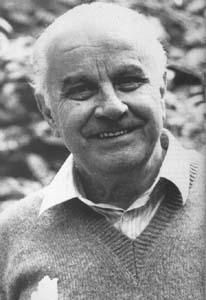
Before we dive into the food aspect of Reggio, I want to give some background on what this model is all about. The picture below is of Loris Malaguzzi. He created this model after World War II with the help form educators, parents, and teachers. This model is very family-centered meaning that both family involvement and engagement are a huge part in the day to day way of doing things at these types of schools. Similar to Montessori (see previous post: Montessori Meets Cuisine and Culture), both of these models were created in Italy and believe in hands-on experiences where the children decide on the activities they partake in and the teacher acts more so as a guide in the classroom.
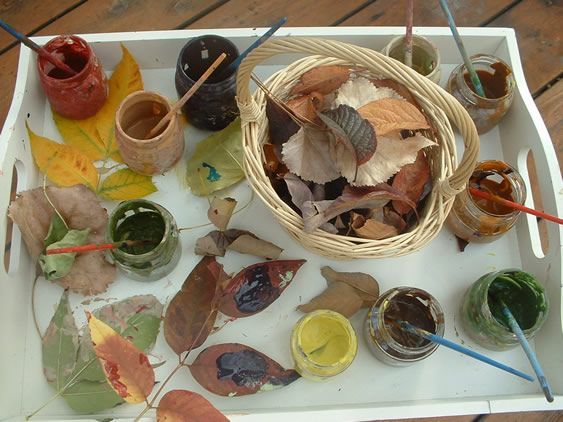
Some of the distinguishing factors about Reggio inspired schools are that natural light and nature materials are a huge part of their exploration.
https://youtu.be/cvwpLarbUD8
Now into the main part of this entry- the food! Going into this I did not know much about the food aspect of Reggio, compared to the Montessori post where I knew a lot more coming into it. What I learned from several “personal experience” like articles is that the kitchen consists of one cook and two assistance. Kitchens in Reggio schools are welcoming, being visible from the entrance, and are purposely placed in a central location to act as a link between each room in the Centres. Their kitchens have as much thought put into them as the incredibly detailed and well equipped art and project ateliers also found in each Centre. Kitchens are thought of as “a place of chemistry”, not just a place where food is prepared. They are bright and clean and have large windows to bring visibility to the cook’s contribution and care of the children and adults through their daily preparation of meals and snacks.
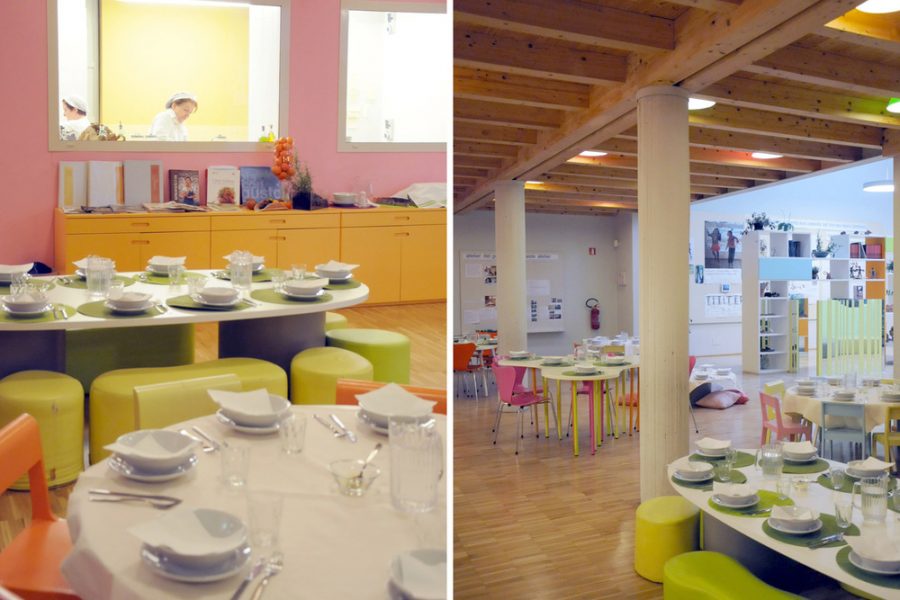
As in any home, the kitchen in Reggio is where the family gathers, and where children always feel welcome to enter and ask the Cook questions. It’s not uncommon for when the children ask questions such as “what’s for lunch?” to be taken into the kitchen to ask the chef themselves. The cook will speak to the children and pointed to each dish they are preparing. The children were able to look, touch, smell and even help prepare the food. Meal times in Reggio are held in high regard. The children and educators all eat together in one dining room. Food is very intentionally and thoughtfully presented in the most beautiful manner and brought to the table and served in family sized bowls. They believe that “it’s the experience of food, rather than the feeding of children.”
Great emphasis is placed on using organic and local produce. Many of the Centres grow their own produce in gardens the children tend and harvest. The Cook shared how they strive to offer as many flavors, such as sweet, salty, savory, bitter and sour, as possible at each meal to appeal to the children’s senses, as well as food with different textures, like soft and crunchy. The cooks in Reggio Emilia have experimented for many years to develop simple, yet highly digestible foods that children enjoy.
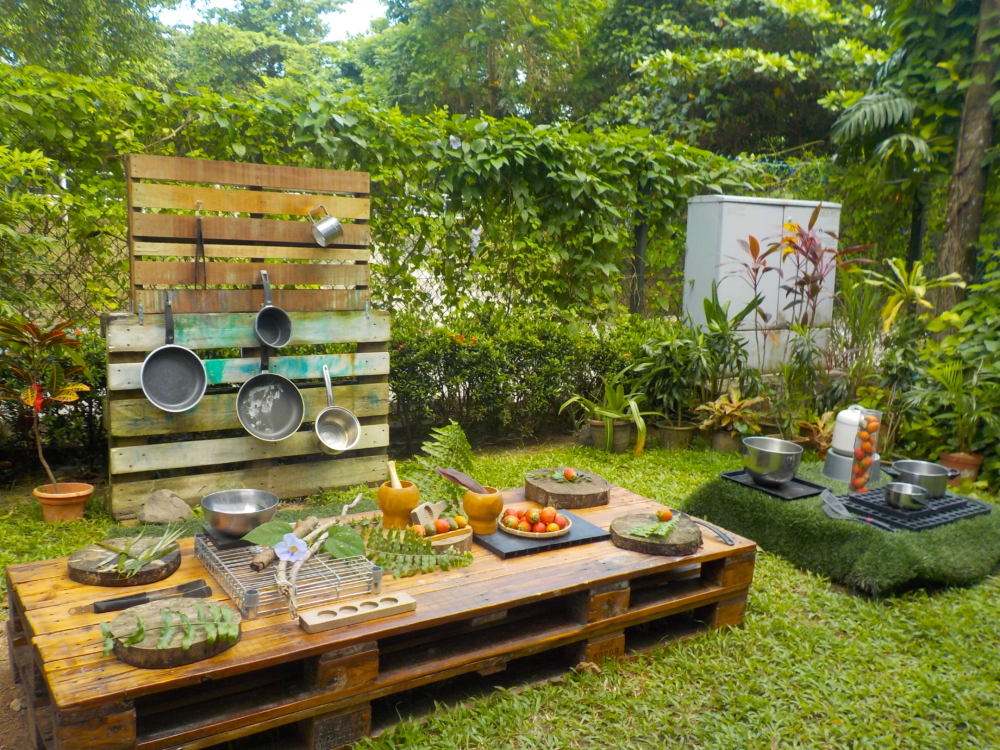
Overall, the Reggio Emilia Approach to snack time and meals is very focused on the process rather than the product. They want to provide the children with healthy options that expand their knowledge and experiences, rather than just give them something to eat because that’s their job. I personally believe that this is a cool approach to meal time because it allows the children to learn and explore where their food comes from and different types of foods to eat.
 Meghan's Italian Cuisine Experience